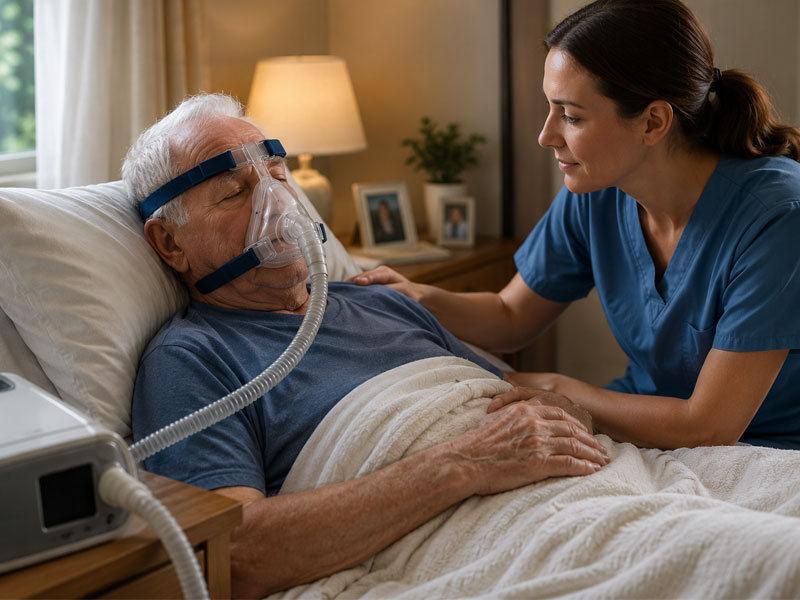
The aspiration to remain in one's own home throughout later life is deeply human. Home represents familiarity, identity, and community. Yet many of the homes people occupy today were not designed to accommodate changing physical, cognitive, and sensory needs. As life expectancy increases and healthcare systems face mounting pressure, the question is no longer whether aging in place is desirable, but how effectively we can redesign living environments to support it.
For decades, aging-related home adaptations focused largely on reactive interventions. Handrails were installed following a fall, ramps added when mobility declined, and bathrooms modified after a health crisis. While these measures remain important, a more forward-thinking approach is emerging. Aging in place renovation is increasingly being viewed as an investment in prevention rather than a response to deterioration.
In my experience the most successful aging-in-place environments embrace the principles of universal design. These are spaces that work well for everyone, regardless of age or ability. Wider doorways accommodate mobility aids but also benefit parents with strollers. Step-free entrances improve accessibility while enhancing convenience for visitors and deliveries. Better lighting supports older adults with visual changes while creating more attractive and functional spaces for all occupants. When renovations are approached through this lens, accessibility becomes an integrated feature rather than a visible accommodation.
The bathroom remains one of the highest priority areas for renovation. Falls continue to be a significant risk for older adults, and many incidents occur in wet environments. Walk-in showers, slip-resistant flooring, strategically positioned grab rails, and comfort-height toilets are increasingly becoming standard recommendations. However, truly age-friendly bathroom design extends beyond safety. It considers dignity, ease of use, and aesthetics. Today's accessible bathrooms can be elegant, contemporary, and indistinguishable from high-end residential design.
Kitchens also present a significant opportunity for innovation. Traditional layouts often require reaching, bending, and lifting, all of which can become more challenging with age. Adjustable work surfaces, pull-out shelving, lever-style taps, and smart appliances can transform the kitchen into a space that remains usable and enjoyable throughout the aging journey. The goal is not merely functional independence but the preservation of meaningful daily activities such as cooking, entertaining, and family engagement.
Technology is becoming an increasingly important component of aging-in-place renovation. Smart home systems can enhance both safety and quality of life. Voice-activated lighting, automated blinds, remote monitoring systems, medication reminders, and fall detection technologies allow individuals to maintain independence while providing reassurance to families and caregivers. Importantly, the integration of technology should be seamless and intuitive. Technology succeeds when it reduces complexity rather than adding to it.
Cognitive accessibility deserves equal attention. Much of the aging-in-place conversation has historically focused on physical mobility, yet the growing prevalence of dementia highlights the importance of designing environments that support cognitive wellbeing. Clear sightlines, intuitive layouts, reduced visual clutter, colour contrast, and familiar design cues can help individuals navigate their homes more confidently. These principles can reduce anxiety, support routines, and contribute to prolonged independence.
There is also a compelling economic argument for investing in aging-in-place renovations. Residential care remains a vital resource for those with high levels of need, but many individuals can safely remain at home longer when the environment is appropriately adapted. Early investment in home modifications may reduce hospital admissions, prevent injuries, and delay the need for more intensive support services. For families, this can translate into both financial savings and improved quality of life.
Yet perhaps the most important shift is cultural rather than architectural. Aging in place should not be viewed solely as a healthcare issue. It is fundamentally about how society values aging. When we design homes that anticipate changing needs, we send a powerful message that older adults remain active participants in their communities. We move beyond a deficit-based view of aging and embrace a model centered on capability, choice, and inclusion.
The future of aging-in-place renovation lies in collaboration. Architects, occupational therapists, healthcare providers, builders, technology developers, and care professionals all have a role to play. Together, they can create environments that are not only safer but also more supportive of emotional, social, and cognitive wellbeing.
As we look ahead, the challenge is clear. The homes we build and renovate today must be ready for the demographics of tomorrow. Aging in place is not simply about helping people stay where they are. It is about creating homes that evolve with them, enabling longer, healthier, and more fulfilling lives. Those organizations and leaders who recognize this opportunity now will help shape a future in which aging is not defined by limitation, but by possibility.
.jpg "A New Community Hub Helps Seniors Navigate Local Healthcare")